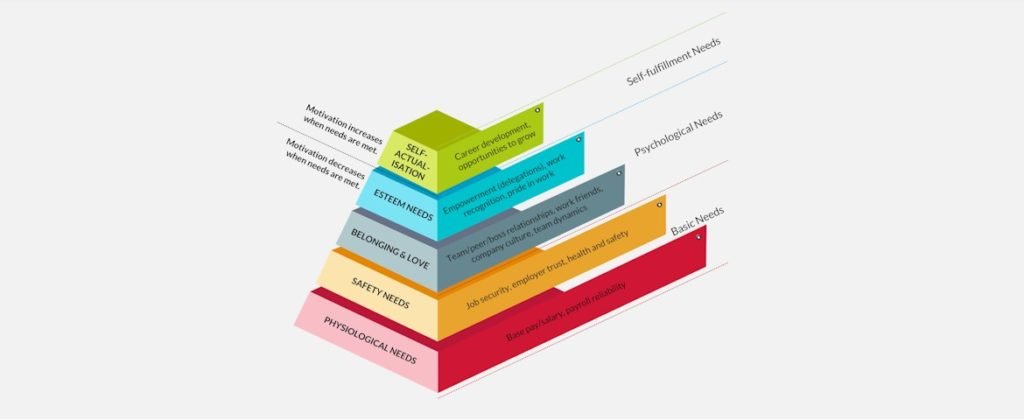
Motivation At Work
Content about motivation at work (Auto-generated fallback due to API error).
Ever wonder why some people are consistently high-achievers at work, while others seem to just go through the motions? It's not always about the money. Understanding what motivates people in the workplace is crucial for creating a thriving and productive environment. Motivation fuels commitment, sparks innovation, and ultimately drives success.
At a glance:
- Motivation comes in two main flavors: intrinsic (internal drive) and extrinsic (external rewards).
- Many factors beyond salary—like purpose, recognition, and growth opportunities—play a significant role.
- Leaders can cultivate a motivated workforce by understanding individual needs and tailoring their approach.
- Employees can take ownership of their motivation by identifying their values and communicating them effectively.
The Two Sides of the Motivation Coin: Intrinsic vs. Extrinsic
Motivation, at its core, is the "why" behind our actions. It's the force that pushes us to pursue goals, overcome challenges, and invest effort. When we talk about what motivates people in the workplace, it's helpful to understand the two main categories:
- Intrinsic Motivation: This comes from within. It's the joy of learning, the satisfaction of solving a problem, or the feeling of accomplishment after completing a challenging task. You do it because you want to, not because you have to.
- Extrinsic Motivation: This stems from external rewards or pressures. Think salary, bonuses, promotions, recognition, or even the fear of being reprimanded. You do it because you'll receive something in return, or avoid something unpleasant.
While both types of motivation can be effective, research suggests that intrinsic motivation tends to be more sustainable and leads to greater job satisfaction and creativity. That doesn't mean extrinsic motivators are useless, though; they can be particularly effective when used strategically in conjunction with intrinsic factors. For example, a bonus might be offered upon the successful completion of a project that an employee already finds engaging.
Why Motivation Matters: The Ripple Effect of an Engaged Workforce
It's pretty simple: motivated employees are more valuable employees. The benefits extend far beyond just increased productivity, though. A motivated workforce leads to:
- Increased hard work and dedication: Employees are more willing to go the extra mile when they're invested in their work.
- Higher productivity and quality output: Motivation sharpens focus and enhances the quality of work.
- Reduced absenteeism and turnover: People want to be where they feel valued and engaged.
- Greater innovation and creativity: When employees are passionate, they're more likely to think outside the box.
- Improved company culture: Motivation is contagious. Engaged employees create a more positive and supportive work environment.
The 16 Pillars of Workplace Motivation: What Really Drives Us?
While everyone is different, certain factors consistently emerge as powerful motivators in the workplace. Consider these 16 key elements:
- Alignment with Larger Goals: People are more motivated when they understand how their work contributes to the organization's overall mission. Feeling like a cog in a machine is a surefire demotivator.
- Creating History: The desire to leave a lasting impact can be a powerful driver. This is often seen in individuals working on projects with long-term consequences.
- Meeting a Deadline: Some people thrive under pressure. Using deadlines strategically can enhance performance.
- Being Able to Speak: The freedom to share opinions and ideas without fear of reprisal fosters engagement and innovation.
- Wanting to Be the Best: Competition can be a strong motivator for some. Striving to exceed expectations and achieve excellence can lead to significant results.
- Having Clear Expectations: Ambiguity breeds anxiety and frustration. Knowing exactly what is expected is crucial for performance.
- Receiving Recognition: Appreciation for contributions, whether through formal rewards or simple acknowledgements, is vital.
- Helping Others: Finding fulfillment in assisting colleagues, customers, or the community can be deeply motivating.
- Gaining Power or Fame: For some, the pursuit of leadership positions and public recognition is a primary driver.
- Fulfilling Their Passion: When work aligns with personal interests and passions, motivation comes naturally. It is helpful to understand the core tenets of what makes a modern workplace actually "work" when evaluating current roles, or even brainstorming ideas for a new role Unlock Your Motivation.
- Overcoming Opposition: The challenge of proving doubters wrong can be a powerful motivator.
- Being in Control: Autonomy over work tasks or team processes empowers individuals and fosters ownership.
- Proving Others Wrong: Similar to overcoming opposition, this involves using skepticism as fuel to achieve goals.
- Creating Change: The desire to improve the organization, industry, or even the world can be a significant motivator.
- Feeling They Belong: Social connections and a sense of community in the workplace are essential for well-being and motivation.
- Developing in Their Career: Opportunities for growth, skill development, and advancement are crucial for long-term engagement.
Actionable Tips for Sparking Motivation in Your Team
So, how can leaders tap into these motivators and create a workplace where people are genuinely driven to do their best?
- Emphasize Progress: Track and celebrate milestones, providing regular performance reviews and feedback. Show employees how their work is making a difference.
- Set Ambitious Challenges: Pushing people slightly beyond their perceived limits can unlock hidden potential and boost confidence.
- Appeal to Emotions: Don't be afraid to connect with your team on an emotional level. Inspire them with a compelling vision, or acknowledge their frustrations and offer support. Acknowledging both the positive and negative aspects of the work experience can foster a more authentic and engaging environment.
Techniques to Boost Personally Meaningful Rewards & Recognition
It is essential to understand that extrinsic motivators like rewards and recognition can be powerful, but they're most effective when they resonate with individual values and preferences. Here's how employees can actively shape their rewards and recognition experiences:
- Reflect on Your Values: Take time to understand your short-term and long-term goals. Consider factors that have motivated you in the past. Are you comfortable with public praise, or do you prefer private acknowledgment?
- List and Rank Potential Rewards: Brainstorm a list of work experiences and rewards that excite you. Rank them in order of preference. This could include opportunities for professional development, flexible work arrangements, or specific types of projects, or even recognition in front of your peers.
- Observe Your Team: Pay attention to how tangible rewards and recognition are currently distributed within your team. Where is that overlap with the rewards that you ranked highly?
- Communicate with Your Manager: Share your passions, interests, goals, and values with your manager. Let them know what motivates you. This proactive approach can significantly influence the types of opportunities and recognition you receive.
- Provide Feedback: Express gratitude for the recognition you receive. Also, provide constructive feedback about what kinds of rewards or recognition would be most meaningful to you in the future. Managers cannot read minds, so it is your responsiblity to help them understand how best to motivate you.
Common Questions About Workplace Motivation
Let's address some of the common questions, concerns, and misconceptions that pop up when discussing how to motivation in the workplace.
Q: Is money the only motivator?
A: Absolutely not. While adequate compensation is essential, countless studies demonstrate that factors like purpose, recognition, growth, and positive relationships are often more powerful drivers of engagement and performance.
Q: How do I motivate someone who seems completely disengaged?
A: Start by understanding their perspective. Have an open and honest conversation to identify the root cause of their disengagement. Are they feeling overwhelmed? Undervalued? Bored? Once you understand the problem, you can begin to tailor your approach.
Q: What if I can't offer raises or promotions?
A: There are many ways to motivate employees without breaking the bank. Focus on providing meaningful feedback, recognizing achievements, offering opportunities for skill development, and fostering a supportive and collaborative work environment. Sometimes, even small gestures of appreciation can make a big difference.
Q: How important is company culture when it comes to motivation?
A: A healthy company culture is incredibly important as it fosters trust, collaboration, and a sense of belonging. All three of those qualities are highly motivating factors for employees. A toxic culture, on the other hand, can quickly erode motivation, even if other factors are in place.
Beyond the Buzzwords: Creating a Truly Motivating Workplace
Ultimately, creating a motivating workplace is about fostering a culture of trust, respect, and opportunity. It is about understanding individual needs and tailoring your approach accordingly. And it's about empowering employees to take ownership of their own motivation. So, consider the list of 20 motivators found at Thomson Reuters - perhaps that will help inspire you Unlock Your Motivation.
By understanding what drives your team, you can unlock their full potential and create a workplace where everyone is motivated to do their best. The result? A more productive, innovative, and successful organization.